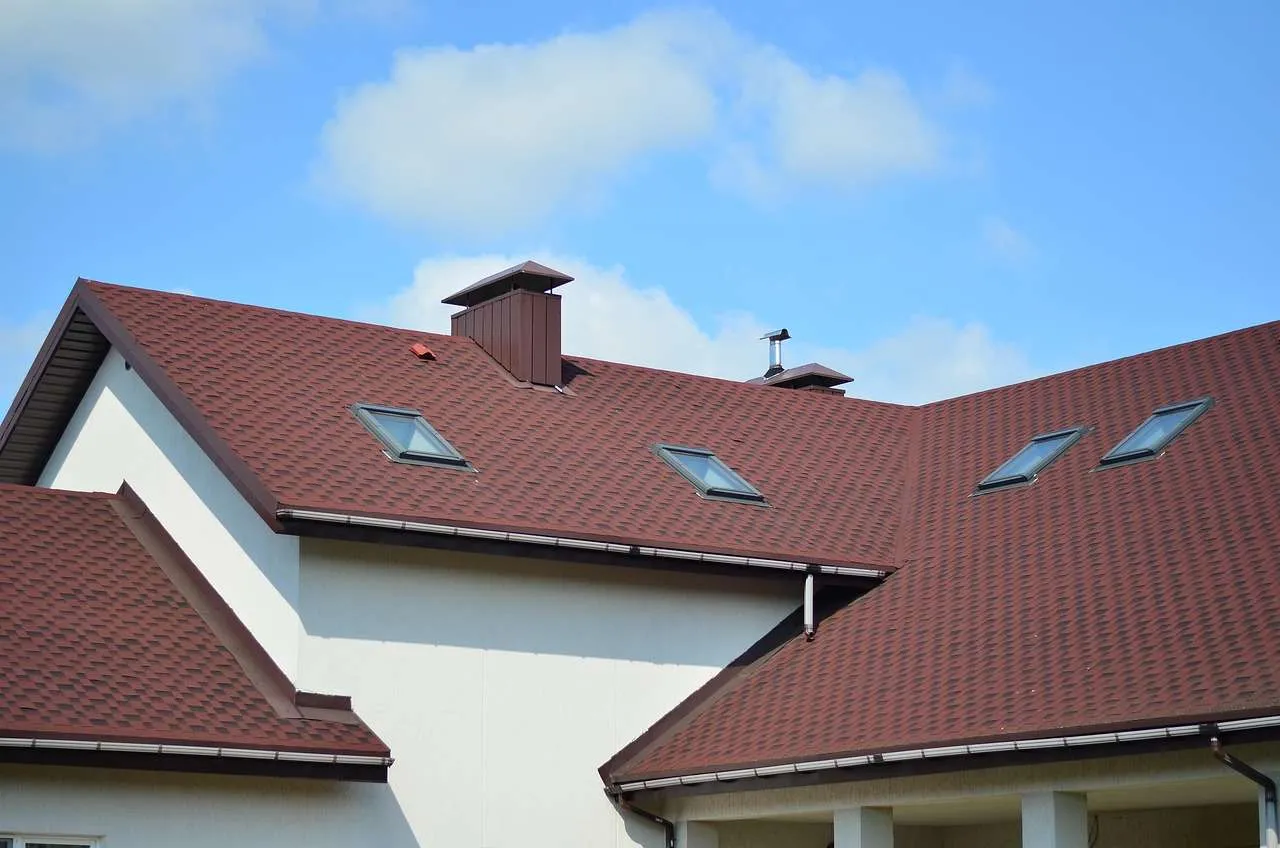
What is tpo roofing?
TPO roofing stands for thermoplastic polyolefin, a single-ply membrane used on flat and low-slope roofs. It comes as large sheets that are heat-welded at the seams for a watertight seal. This membrane is popular for commercial buildings and is increasingly used in residential applications due to its performance and value. TPO membranes are typically white or light gray, helping reflect sunlight and reduce cooling loads.
Benefits of tpo roofing
Key benefits include energy efficiency, durability, ease of installation, and recyclability. The reflective surface lowers HVAC costs in warm climates, while the flexible membrane tolerates small roof movements and seasonal temperature changes. Heat-welded seams provide strong continuity and leak resistance when installed by trained crews. Properly installed TPO also aligns with sustainable building goals, contributing to lower environmental impact over the roof’s lifespan.
Energy efficiency
A white or light colored TPO surface reflects solar radiation, reducing heat gain and cooling demand in hot climates. For buildings with large roof footprints, even modest energy savings add up over time.
Durability and seam strength
Thermoplastic membranes resist ultraviolet exposure and tolerate ponding water. The seams are welded, forming a monolithic layer that minimizes seam leaks compared with tape-sealed alternatives. A properly installed TPO roof can endure hail and wind, though localized damage still requires inspection and timely repair.
Cost and lifecycle
Initial installation costs are generally mid-range among flat roof systems, with predictable maintenance costs. When you factor energy savings and planned replacement intervals, TPO often offers strong life-cycle value compared with built-up roofs or some PVC systems.
Types and installation considerations
Most TPO roofs use sheet membranes that are either fully adhered, mechanically fastened, or ballasted. The installation method affects wind uplift resistance, insulation compatibility, and repair access. Substrate preparation, flashing details at penetrations, and proper seam welding are critical to performance. Always select a contractor with extensive TPO experience, a proven safety program, and current manufacturer approvals.
Maintenance and lifespan
Regular roof inspections, prompt repairs of punctures, and routine debris removal extend the life of a TPO roof. Warranty terms vary by manufacturer and installer but commonly cover 15 to 30 years for materials and labor in the right conditions. Exposure to extreme heat, UV, and foot traffic can accelerate aging, so a preventive maintenance plan is wise. Keeping drains clear and scheduling periodic thermal scans can help detect issues before they become major leaks.
Cost considerations and budgeting
Cost factors include roof size, geographic region, substrate complexity, and chosen installation method. While TPO is not the cheapest option, its favorable energy performance and potential rebates or tax incentives can improve total cost of ownership. Request a detailed, itemized bid that includes warranty terms, inspection intervals, and a maintenance plan. Consider the long-term savings from reduced cooling loads when evaluating a quote.
Comparison with other flat-roof membranes
| Material | Durability | Energy Efficiency | Installation Method | Approx. Cost | Pros / Cons |
|---|---|---|---|---|---|
| TPO | Good durability; heat welded seams | Excellent reflective properties | Fully adhered, mechanically fastened | Mid-range | Lightweight, energy-saving; aging concerns in some climates |
| EPDM | Very durable and flexible | Low reflectivity unless white variant | Ballasted or adhered | Lower to mid | Simple install; black versions absorb heat |
| PVC | Excellent durability and chemical resistance | High reflectivity | Heat-welded; needs skilled crews | Higher | Long lifespan; higher upfront cost |
Choosing a reputable installer
Expertise matters. Look for manufacturers' approved contractor lists, proper licensing, and insurance. Request references and a sample maintenance plan. Confirm warranty coverage for both materials and labor and ensure the contractor documents substrate preparation, seam welding standards, and post-installation inspections. A site visit should yield a written proposal with expected lifespan, warranty terms, and a clear color and product specification. Working with a trustworthy contractor helps ensure the project aligns with safety standards and building codes, reinforcing the EEAT principles of reliability and credibility.
Frequently asked questions
Is TPO suitable for all climates?
Yes, but climate affects color choice and product selection. In hot climates, white or reflective TPO is preferred; in milder climates, gray or other light colors may be used where permitted.
Can TPO be repaired after damage?
Most punctures and minor tears can be repaired with compatible patches. Extensive damage may require patching or full membrane replacement, depending on the roof condition and warranty terms.
Conclusion, TPO roofing offers a durable, energy-efficient flat-roof solution that balances performance, cost, and environmental impact when installed by qualified professionals and maintained with a proactive plan. By understanding membrane types, installation methods, and maintenance needs, property owners can achieve long-term protection and value.