Introduction
Your roof is more than a shield from rain; it is a critical system that protects your home, belongings, and family. When roof damage appears, homeowners often ask how to tell if repairs are needed, whether to DIY, and how to choose a reliable contractor. This guide on roofing and roof repairs provides practical steps, safety considerations, and cost ranges to help you make informed decisions. With a decade of experience in the field, we emphasize quality workmanship, transparent communication, and long term value. You will learn how roofs are built, how to spot common problems early, and how to balance upfront costs with lasting performance. From inspection checklists to maintenance routines, this article is designed to support homeowners in achieving durable, energy efficient results.
Understanding Roofing Systems
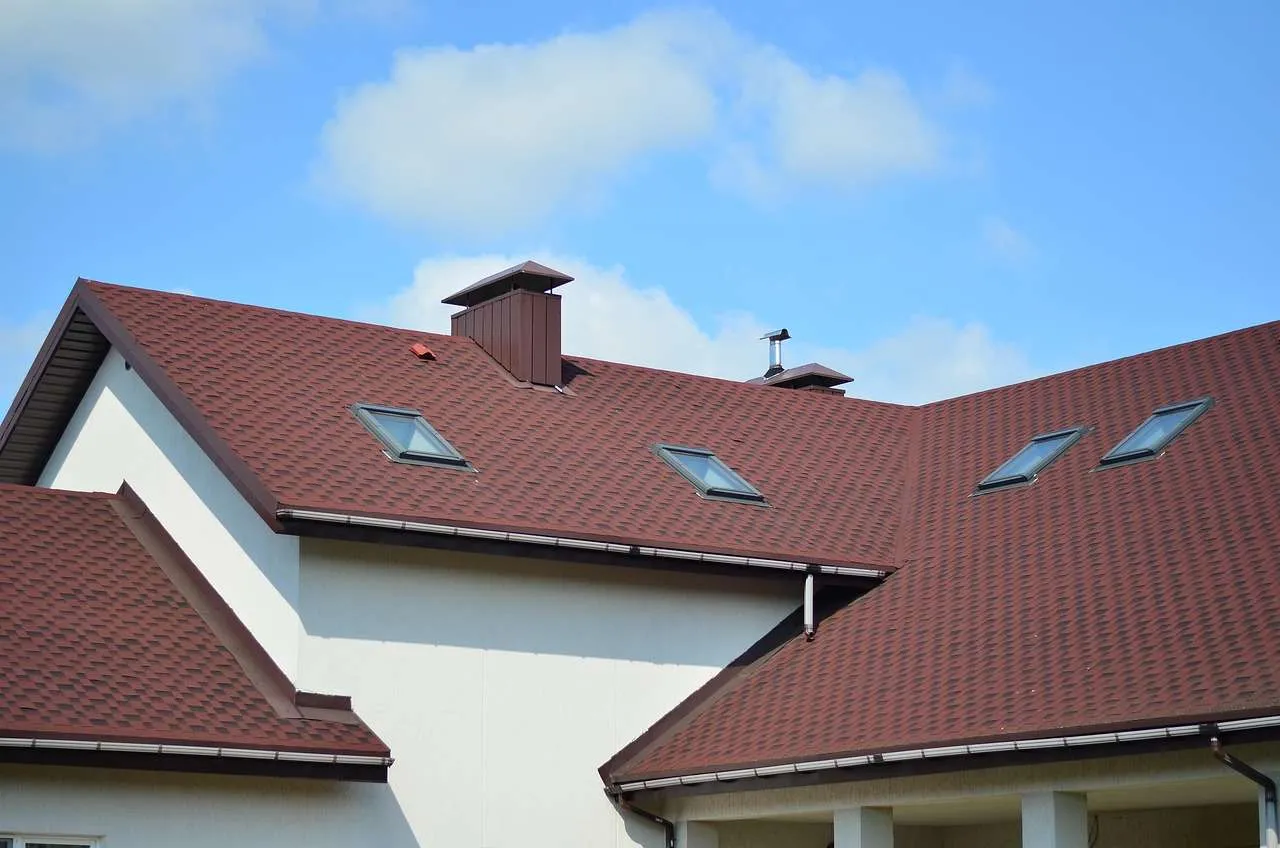
Most residential roofs have several layers that work together to shed water and insulate the home. A typical system includes a deck or sheathing, underlayment, flashing, and the final surface such as shingles or metal panels. The choice of materials affects durability, energy efficiency, and maintenance needs. A well designed roof also accounts for attic ventilation and proper drainage. Note that professional installation is essential to ensure flashing seals around chimneys, vents, and skylights remains effective over time.
Key components
- Deck or sheathing which provides a solid base
- Underlayment that adds a secondary barrier against moisture
- Flashing around penetrations to direct water away from joints
- Roof covering such as asphalt shingles, metal, tile, or slate
Signs Your Roof Needs Repairs
Early detection can prevent major damage. Look for:
- Missing, curling, or buckled shingles
- Granule loss in gutters or downspouts
- Water spots on ceilings or walls after rain
- Leaks around vents, chimneys, or skylights
- Sagging or uneven roof sections indicate structural issues
- Increased energy bills from poor insulation or air leaks
Common Roof Repairs and Costs
Repair work varies by material and extent of damage. The table below shows typical scenarios and ranges to help you budget. Always obtain written estimates from qualified contractors before work begins.
| Repair Type | Symptoms | Typical Cost (USD) | DIY Feasibility | Longevity |
| Shingle replacement (patch) | Localized damage or missing shingles | 300–700 | Low risk for skilled DIYers | 5–10 years for patch, longer with full replacement |
| Flashing repair | Leaks at roof penetrations | 300–900 | Not for novices | 10–20 years depending on material |
| Vent or pipe collar repair | Condensation leaks around penetrations | 150–450 | Moderate | 5–15 years |
| Deck or underlayment repair | Rot or soft spots on sheathing | 800–3000 | Not recommended | 15–30 years with proper maintenance |
In some cases a full reroof may be more economical than repeated repairs, especially for older roofs or those with widespread damage. A professional assessment can determine when repairs give way to replacement.
DIY vs Professional Roofing Contractors
Safety is paramount. Working on a roof without proper fall protection, harnesses, and weather awareness risks severe injury. DIY repairs may be feasible for small tasks like replacing a few shingles or resealing flashing, but most repairs involve roofing underlayments, ventilation considerations, and complex flashing work that benefit from licensed professionals. A reputable contractor will provide a written estimate, explain the scope, and outline warranty terms. Always verify licensing, insurance, and past project references before signing.
Materials and Longevity
The material you choose affects maintenance needs, cost, and lifespan. Below is a quick overview of common options and what to expect in different climates:
| Material | Durability | Maintenance | Weight | Best Climate |
| Asphalt shingles | 15–30 years | Low to moderate | Light | Most areas |
| Metal | 40–70 years | Low | Heavy | Wind and hail prone |
| Clay/Concrete tile | 50–100 years | Moderate | Heavy | Arid to hot climates |
| Slate | 75–200 years | Low | Very heavy | Heritage and durable needs |
Maintenance and Preventive Care
Proactive maintenance helps extend roof life and prevent costly repairs. Consider seasonal inspections, clearing debris from gutters, trimming overhanging branches, and addressing moisture intrusion promptly. Maintain attic insulation and ventilation to reduce condensation, which can accelerate wood rot and mold growth. Record all repairs and materials used to support future warranty claims and resale value.
Choosing a Roofing Contractor and EEAT Principles
To satisfy EEAT, prioritize contractors who demonstrate expertise, authority, and trustworthiness. Seek licensed professionals with current insurance, references, and a portfolio of recent work. Request written estimates, a clear scope of work, and a detailed warranty. Confirm safety practices, permits if required, and a project timeline. Check online reviews and testimonials, and ask for a written contract that includes cleanup and disposal terms. A contractor who communicates openly and explains options in plain language is often the best long term partner.
Material Comparison and Practical Choice
Homeowners often weigh cost, longevity, and aesthetics when selecting materials. The table below summarizes practical tradeoffs to aid decision making.
| Factor | Asphalt | Metal | Tile | Slate |
| Initial cost | Low | Moderate | High | Very high |
| Durability | Fair | Excellent | Good to excellent | Excellent |
| Maintenance | Low | Low | Moderate | Low |
| Weight | Light | Moderate to heavy | Heavy | Very heavy |
| Best climate | General use | Wind hail hot | Hot dry | Historic and long life |
Conclusion
Conclusion, roofing and roof repairs require a balanced approach that values safety, quality workmanship, and long term value. By recognizing early signs, understanding repair options, choosing the right materials, and partnering with reputable professionals, homeowners can protect their investment, maintain energy efficiency, and ensure a durable roof for years to come.