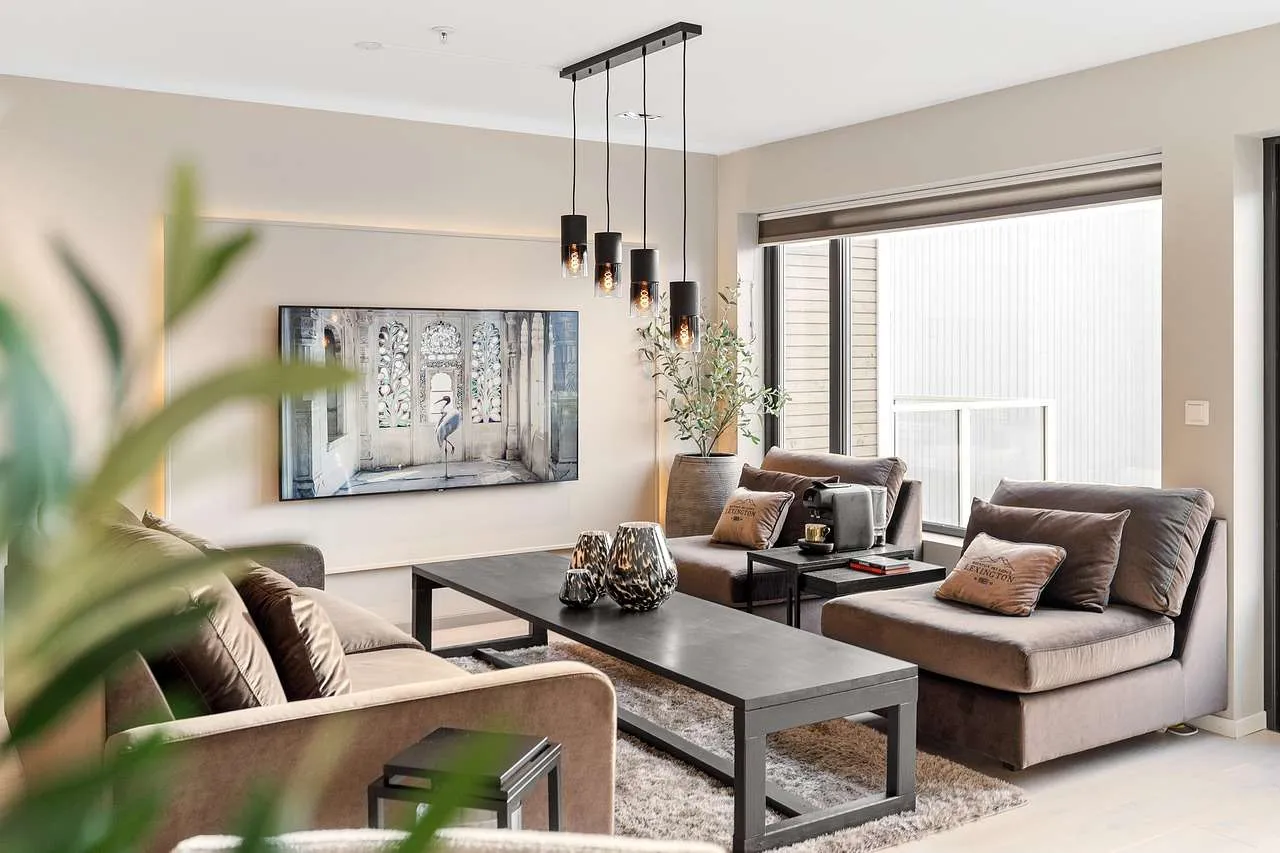
Home window tinting uses specialized window films to reduce heat, block UV rays, and enhance privacy. When installed by trained professionals, it can improve home comfort, protect furnishings, and lower energy costs across climates.
What is Home Window Tinting?
Window tinting refers to applying a thin film to interior or exterior glass. The film can block infrared heat while letting visible light through. The level of darkness is measured by visible light transmission (VLT). Higher VLT means less tint; lower VLT means darker film. Modern films also incorporate UV blockers and scratch-resistant coatings.
Benefits of Home Window Tinting
- Energy efficiency: Reduces heat gain in summer and heat loss in winter, helping HVAC efficiency.
- UV protection: Blocks up to 99% of harmful UV rays, protecting skin and furnishings.
- Glare reduction and comfort: Diminishes glare on screens and bright interiors.
- Privacy and security: Provides daytime privacy and adds a layer of shatter resistance in case of impact.
- Interior protection: Limits fading of upholstery and wood floors.
- Home aesthetics: Creates a consistent exterior look and modern appearance.
Types of Window Film
Film choices vary by level of heat rejection, glare control, and cost. Here are common categories and what to expect.
Table: Film Types Comparison
| Film Type | Key Benefits | Common Drawbacks | Typical Cost (per sq ft) |
|---|---|---|---|
| Dyed | Affordable tint; good basic privacy | Can fade over time; color may shift | $3-$7 |
| Metalized | Enhanced heat rejection; added strength | May interfere with electronics; can appear reflective | $5-$9 |
| Ceramic | Excellent heat rejection; non-reflective; minimal interference | Higher upfront cost | $8-$12 |
| Carbon | Natural look; strong heat rejection; no metal | Moderate cost | $6-$12 |
| Reflective | Strong glare control; modern appearance | Reflectivity can limit nighttime privacy | $5-$10 |
Installation Process
Professional installation yields the best results. A typical project includes a site assessment, precise measurement, film selection, window cleaning, film application, and curing time. Most homes take one to two days for multiple rooms. DIY kits exist but require careful surface preparation and tools; improper installation can cause air bubbles, peeling, or poor adhesion. A reputable installer will provide a warranty, typically 10 to 15 years, and follow manufacturer guidelines for cleaning and maintenance.
Legal Considerations & Maintenance
Local regulations govern the darkness and reflectivity of window films, especially on street-facing panes. Before purchasing, verify the allowed VLT for your location and any curb-side visibility rules. Maintenance is simple: clean with a non-ammonia cleaner and a soft cloth. Avoid rough scrubbing that could scratch the film; address any moisture or edge peeling promptly to preserve adhesion.
How to Choose an Installer
Look for installers with experience in home projects, references, and manufacturer certifications. Ask about film brands they carry, warranties, and the expected lifetime of the film. Request on-site demonstrations or sample films to compare appearance in different lighting. Check online reviews, confirm licensing where required, and obtain several written quotes to compare total cost and inclusions.
Costs, ROI and FAQs
Costs vary by film type, window size, and installation complexity. Typical range for whole-house tinting is about $5 to $12 per square foot installed. Homeowners often see energy savings of 5% to 20% on cooling bills, depending on climate and orientation of windows. A robust analysis should consider upfront costs, energy savings, and potential enhanced comfort and furniture protection. With a well-chosen film and trusted installer, most homes reach a reasonable payback within 5 to 12 years, depending on local utility rates and sun exposure.
Conclusion
Conclusion, home window tinting offers clear benefits in comfort, energy efficiency, and protection when paired with the right film type and a qualified installer. By understanding film categories, regulatory considerations, and maintenance, homeowners can achieve durable results that preserve aesthetics and value.